
Game Drives in Tanzania
Game Drives in Tanzania
Game drives are the foundation of the African safari experience. They are the moment where expectation meets reality—when you leave the lodge in the early morning or late afternoon and enter the wild landscapes where nature unfolds in real time. In Tanzania, game drives are not just an activity; they are the primary way travelers connect with wildlife, landscapes, and the rhythm of the savannah.
What makes game drives powerful is their unpredictability. No two drives are ever the same. One day may bring a lion pride resting under an acacia tree, another may reveal elephants crossing a river, and another may feel quiet yet deeply atmospheric as giraffes move slowly across golden plains. This uncertainty is exactly what makes the experience so emotionally engaging.
Where to Visit for Game Drive
Game drives in Tanzania take place across several world-class safari ecosystems, each offering a different interpretation of the African wilderness.
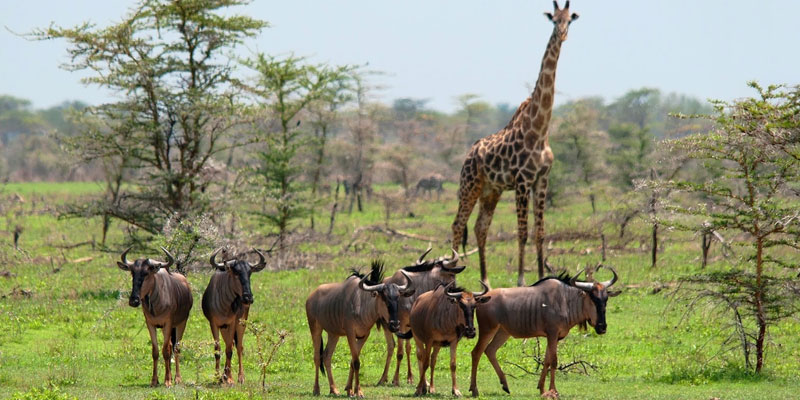
In the Serengeti National Park, game drives are defined by scale and movement. This is where vast herds of wildebeest, zebras, and gazelles migrate across endless plains, followed closely by predators such as lions, cheetahs, and hyenas. The Serengeti offers one of the most complete predator-prey ecosystems on Earth, making every drive feel dynamic and cinematic.
In the Ngorongoro Crater, game drives feel more concentrated and intimate. Because the crater floor contains a self-contained ecosystem, wildlife sightings are often more predictable and dense. It is one of the best places in Africa to see multiple iconic species within a single game drive.
In Tarangire National Park, game drives are shaped by elephants and ancient landscapes. Large herds move around the Tarangire River, while baobab trees create a striking visual identity that feels different from any other park in Tanzania.
In Lake Manyara National Park, game drives move through contrasting ecosystems—dense forests, lakeshores, and open plains—offering a more varied but compact safari experience.
Even Arusha National Park offers unique game drives, often combined with walking safaris, making it ideal for shorter or introductory safari experiences.
Each destination contributes a different layer to the overall understanding of Tanzania’s wildlife systems.
When to Visit
Game drives in Tanzania are available year-round, but the experience changes significantly depending on season, weather, and wildlife movement.
During the dry season (June to October), game drives are at their most predictable. Vegetation is thinner, water sources are limited, and animals tend to gather in visible locations. This makes wildlife easier to spot and increases the chances of predator encounters.
From December to March, the southern Serengeti becomes especially active due to the wildebeest calving season. Game drives during this period often reveal intense predator-prey interactions and large concentrations of wildlife on open plains.
The green season (November to May) transforms the landscape into a lush, dramatic environment. While animals are more dispersed, the scenery becomes more vibrant, and photography conditions can be exceptional. Birdlife also reaches its peak during this time.
A key insight many travelers miss is that game drives are not just about animal quantity—they are about narrative. The same ecosystem tells different stories in different seasons, and each visit reveals a new chapter of behavior, movement, and survival.
Game Drive Tours & Safaris
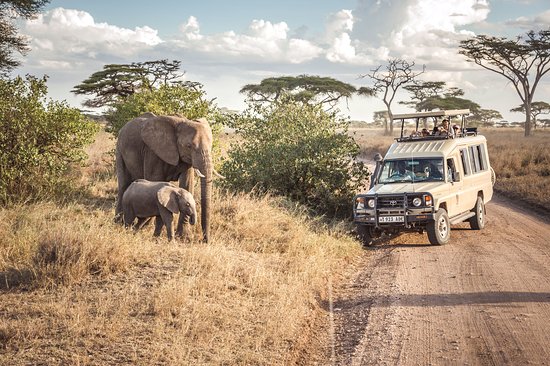
Game drives are typically conducted in 4×4 safari vehicles designed for off-road comfort, visibility, and photography. These vehicles often feature pop-up roofs, allowing travelers to stand and observe wildlife from an elevated position while maintaining safety.
There are different styles of game drive experiences depending on travel preference. Private game drives offer flexibility and personalized pacing, allowing travelers to spend more time with specific sightings. Shared group safaris are more budget-friendly and offer social interaction while still covering major wildlife areas. Luxury safari experiences often combine exclusive lodges, expert guides, and extended time in the field for deeper exploration.
Game drives can also be structured in different time formats: morning drives for active wildlife behavior, afternoon drives for golden light photography, and full-day drives for deeper exploration of remote areas.
In many safari itineraries, game drives are combined with other experiences such as walking safaris, cultural visits, or balloon safaris, creating a layered understanding of the ecosystem from multiple perspectives.
Game Drive Travel Advice
The most important mindset for game drives is patience. Wildlife is not staged, and nature does not follow a schedule. Some of the most memorable encounters happen after long periods of quiet observation, when the landscape slowly reveals its movement and rhythm.
Early mornings and late afternoons are generally the most productive times for game drives. Animals are more active, temperatures are cooler, and lighting conditions are ideal for photography. Midday hours can be slower, but they often provide valuable moments of rest and observation that contribute to the overall experience.
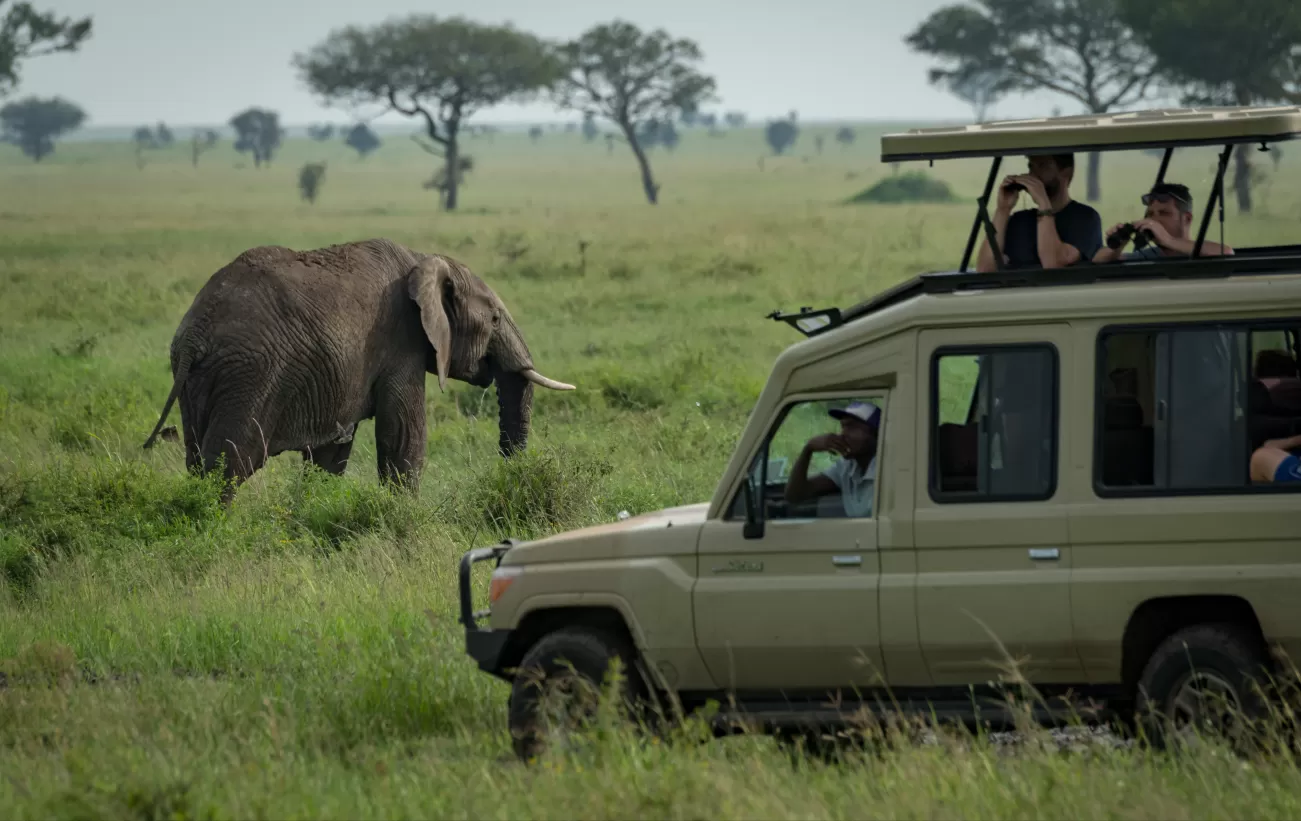
A good pair of binoculars can significantly enhance your safari, allowing you to observe distant behavior that might otherwise be missed. A camera with a zoom lens is also highly recommended, but it is equally important to take time away from the lens and simply observe.
Comfort is essential. Lightweight, neutral-colored clothing helps you blend into the environment, while sun protection and hydration are necessary for long hours in the field.
Finally, the most meaningful advice is to shift your focus from “what will I see?” to “what will I understand?” Game drives are not just about checking off animals—they are about learning how ecosystems function, how predators and prey interact, and how life continues in one of the world’s most remarkable natural environments.
In Tanzania, a game drive is never just transportation through a park. It is a slow unfolding story of wilderness, written in real time across the savannah.