
If you are looking for a Zanzibar beach experience that feels authentic, peaceful, and deeply connected to local island life, then Jambiani Beach is one of the most rewarding destinations on the island. Unlike busier beach hubs, Jambiani offers a slower pace where natural beauty, Swahili culture, and everyday coastal life blend together seamlessly.
Stretching along Zanzibar’s southeastern coastline, Jambiani is known for its powdery white sand, swaying palm trees, and crystal-clear waters that change color throughout the day. The atmosphere here feels less commercial and more personal, making it an ideal destination for travelers seeking relaxation, cultural connection, and genuine island charm.
What sets Jambiani apart is the way tourism and local life coexist. Traditional fishing boats sail along the shoreline, seaweed farmers work in the shallow waters, and village life continues much as it has for generations. For visitors, this creates an opportunity to experience Zanzibar beyond the resort walls and develop a deeper appreciation for the island’s culture and traditions.
Whether you are planning a honeymoon, a wellness retreat, a remote-work escape, or a post-safari beach holiday, Jambiani offers a sense of tranquility that is increasingly rare in modern travel destinations.
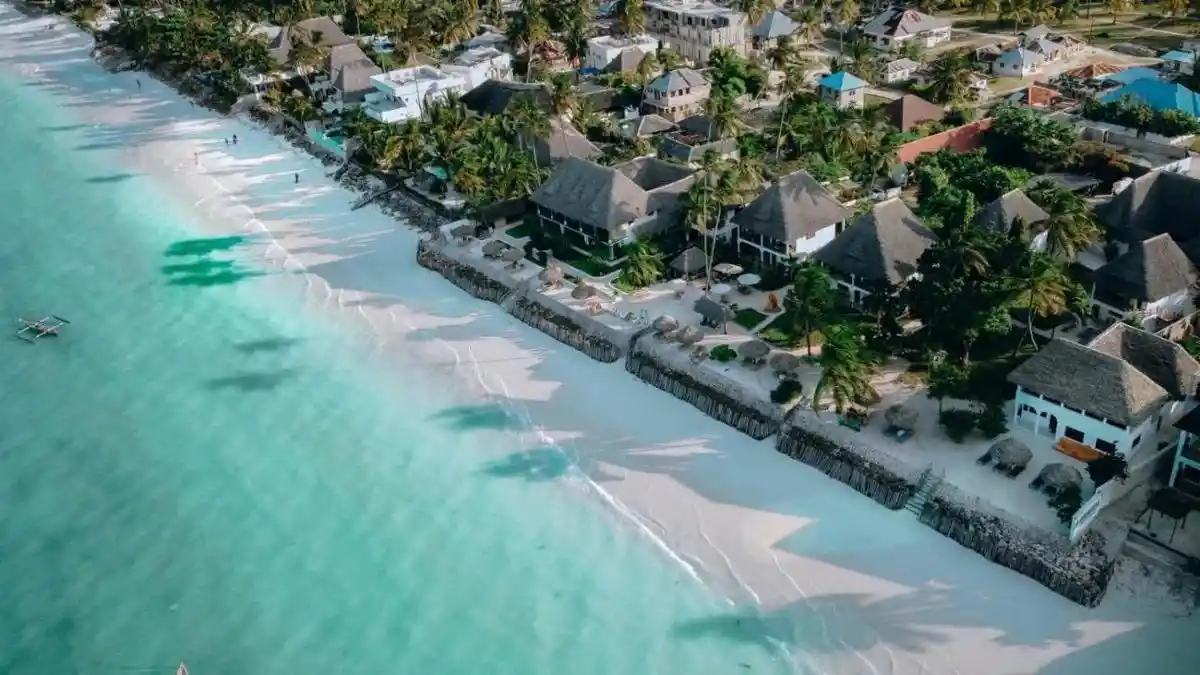
Jambiani Beach is a year-round destination, but each season brings a different atmosphere and experience.
From June to October, the weather is typically dry, sunny, and pleasantly warm. These months are ideal for beach walks, cultural exploration, snorkeling, and enjoying the coastline without excessive humidity. The comfortable conditions also make this one of the most popular times to visit Zanzibar.
Between December and February, Jambiani enjoys another excellent travel season. Warm temperatures, clear skies, and calm ocean conditions create perfect opportunities for swimming, dhow sailing, and beach relaxation.
The green seasons, particularly from March to May and parts of November, bring occasional rainfall and fewer visitors. During these months, the landscape becomes greener, accommodation rates are often more attractive, and the village atmosphere feels even more peaceful.
One important thing to understand about Jambiani is that the tides play a major role in shaping the beach experience. At low tide, the ocean retreats significantly, exposing sandbanks and shallow lagoons that create stunning scenery and unique walking opportunities. At high tide, the coastline transforms once again, offering excellent conditions for swimming and water activities.
The best time to visit depends less on the calendar and more on the type of experience you want—whether that is sunshine and activity, cultural immersion, or a quieter connection with the island.
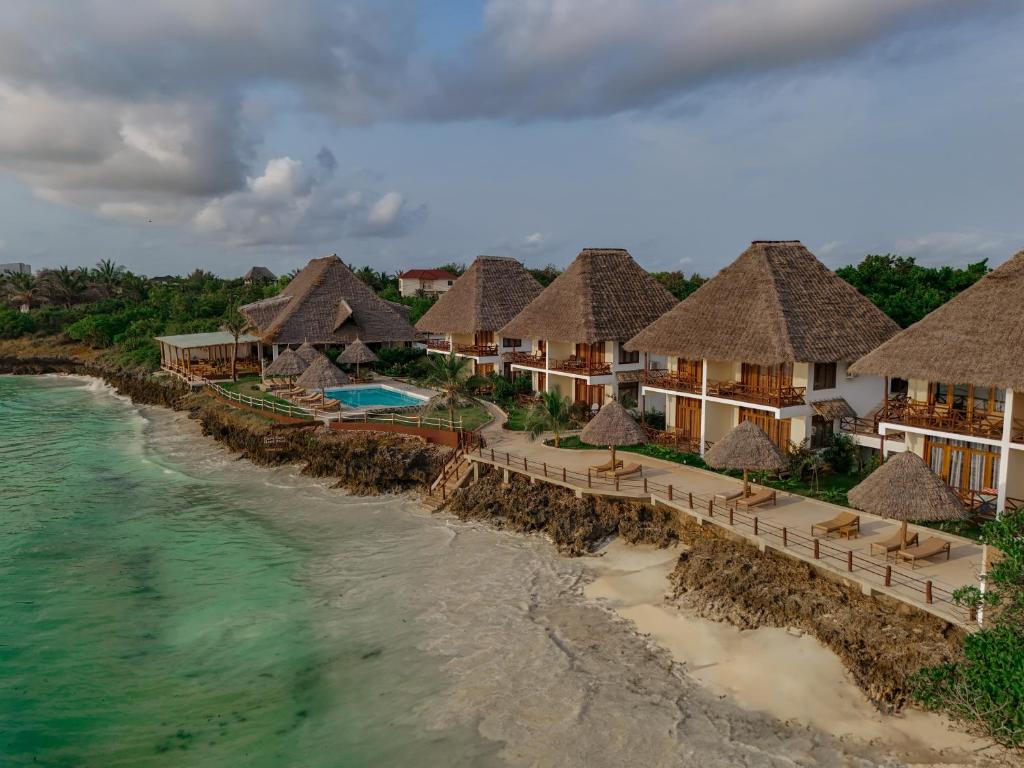
Jambiani Beach is located on Zanzibar’s southeastern coast, approximately 55 kilometers from Zanzibar City and Stone Town.
Most travelers arrive through Zanzibar International Airport before continuing to Jambiani by private transfer, taxi, or shuttle service. The journey generally takes around one hour, offering views of villages, plantations, and everyday island life along the way.
Many visitors combine a stay in Stone Town with several nights in Jambiani, creating a well-balanced itinerary that blends culture, history, and beach relaxation. The connection between the two destinations is straightforward, making travel planning simple and convenient.
Jambiani is also located close to other popular southeastern beach destinations such as Paje, allowing travelers to explore multiple coastal areas while maintaining a relaxed pace.
Its accessibility, combined with its peaceful atmosphere, makes Jambiani an excellent choice for travelers seeking a beach destination that feels both connected and secluded.
The most valuable advice for visiting Jambiani is to embrace the slower rhythm of the village. This is not a destination built around nightlife, crowds, or constant activity. Instead, its charm comes from simplicity, authenticity, and meaningful experiences.
Understanding the tides is essential. The ocean’s movement dramatically changes the appearance of the coastline throughout the day. Rather than seeing this as an inconvenience, many travelers discover that the changing tides become one of the most fascinating parts of the experience.
Take time to interact respectfully with the local community. Walking through the village, visiting local cafés, learning about seaweed farming, or joining cultural activities often creates memories that feel more meaningful than typical tourist attractions.
Lightweight clothing, sun protection, and comfortable footwear are recommended, particularly for exploring the beach during low tide. If you plan to visit villages or community spaces, modest dress is appreciated as a sign of respect for local customs.
Most importantly, resist the urge to over-schedule your stay. Jambiani rewards travelers who slow down, observe, and allow the island’s natural rhythm to guide the experience. Watching fishermen return at sunrise, sharing fresh seafood by the ocean, or simply listening to the waves can become the moments you remember most.
For many travelers, Jambiani Beach is not just a place to stay—it is a place to reconnect with simplicity, nature, and the authentic spirit of Zanzibar.