
If you are looking for a safari destination that combines wildlife, scenery, and ecological diversity within a compact area, Lake Manyara National Park offers an experience that consistently exceeds expectations. While many travelers focus on Tanzania’s larger parks, Lake Manyara has a unique ability to surprise visitors with the variety of landscapes and wildlife found within a relatively small space.
Stretching along the edge of the Great Rift Valley, the park is defined by its dramatic setting. Dense groundwater forests, open grasslands, acacia woodlands, hot springs, and the vast alkaline waters of Lake Manyara create a constantly changing environment that feels different around every corner. Few destinations in Tanzania offer such diverse habitats within a single game drive.
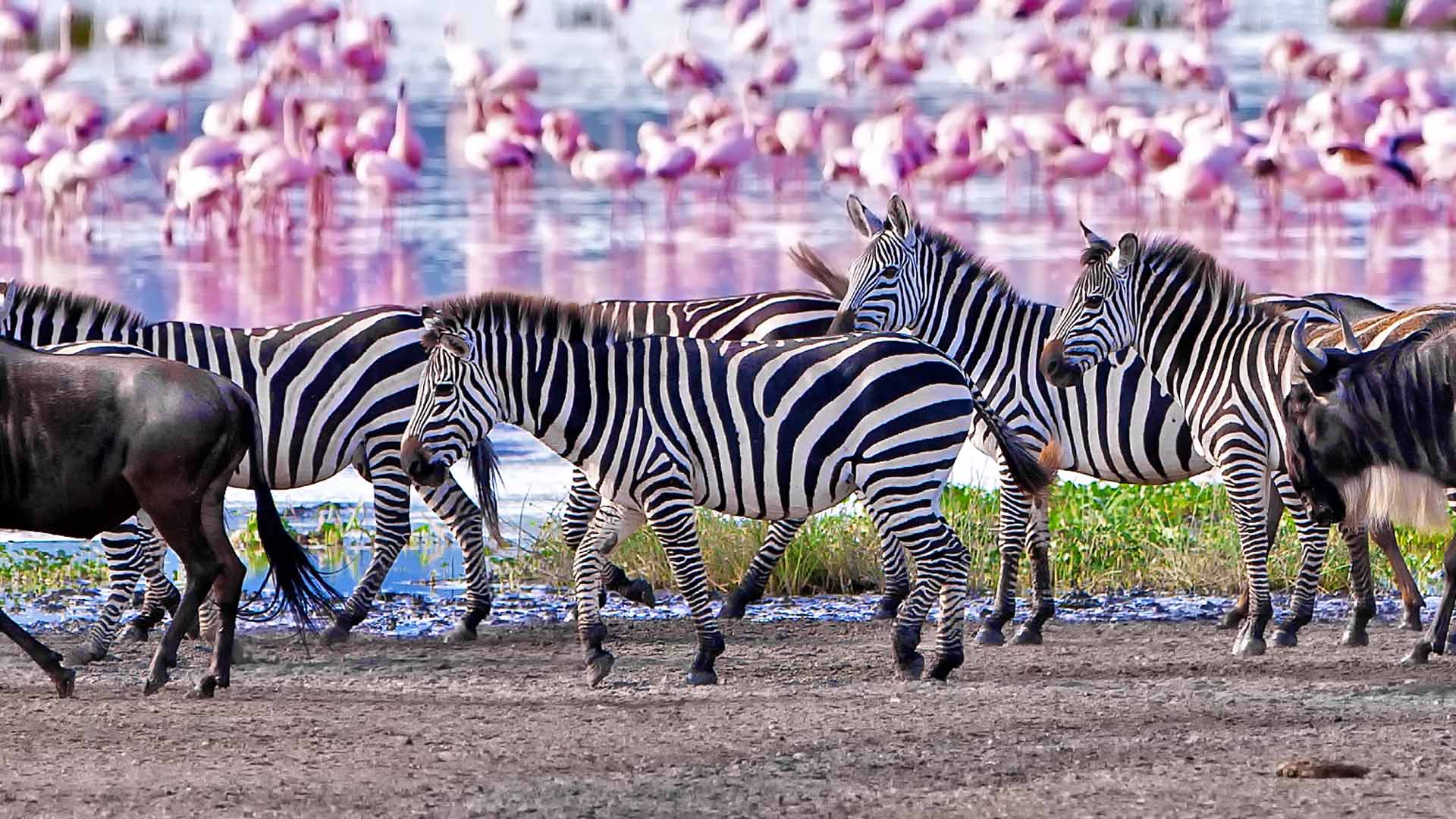
Lake Manyara is widely known for its famous tree-climbing lions, a behavior that remains one of the park’s most intriguing wildlife attractions. Although sightings can never be guaranteed, the possibility of seeing lions resting on acacia branches adds an extra layer of excitement to every safari. The park is also home to elephants, giraffes, buffaloes, zebras, hippos, baboons, blue monkeys, and numerous other wildlife species.
For bird lovers, Lake Manyara is one of Tanzania’s most rewarding destinations. Depending on water levels and seasonal conditions, thousands of flamingos and a remarkable variety of waterbirds gather along the lake’s shores, creating spectacular scenes for photographers and nature enthusiasts.
What makes Lake Manyara particularly appealing is its balance. It offers excellent wildlife viewing, breathtaking scenery, and a peaceful atmosphere, making it an ideal introduction to Tanzania’s Northern Safari Circuit or a valuable complement to destinations such as Serengeti and Ngorongoro.

Lake Manyara National Park can be visited throughout the year, with each season offering a different perspective on the park’s wildlife and landscapes.
The dry season, from June to October, is generally considered the best time for wildlife viewing. Vegetation becomes less dense, making animals easier to spot as they move through the forests and grasslands. During this period, game drives often provide excellent opportunities to observe elephants, giraffes, buffaloes, and other resident wildlife.
From November to May, seasonal rains transform the park into a lush green ecosystem. Forests become vibrant, the surrounding landscape appears more dramatic, and birdlife reaches its peak. This is an especially attractive time for birdwatchers, as migratory species join the park’s already impressive resident bird population.
Water levels within the lake fluctuate throughout the year, influencing bird activity and the appearance of the shoreline. Some travelers arrive expecting to see large numbers of flamingos year-round, but their presence depends largely on seasonal conditions and food availability within the lake.
The best time to visit ultimately depends on your interests. Wildlife enthusiasts often prefer the dry season, while photographers, birdwatchers, and travelers seeking greener scenery may find the wet season equally rewarding.
One of Lake Manyara National Park’s greatest advantages is its convenient location within northern Tanzania.
The park lies approximately 125 kilometers from Arusha and is easily accessible by road. Most visitors reach Lake Manyara as part of a Northern Tanzania safari itinerary that includes destinations such as Tarangire National Park, Ngorongoro Crater, and Serengeti National Park.
The drive from Arusha typically takes around two to three hours and passes through scenic countryside, local villages, and agricultural landscapes that provide insight into daily life in northern Tanzania. For many travelers, the journey itself becomes part of the overall safari experience.
Kilimanjaro International Airport serves as the primary international gateway for visitors arriving in northern Tanzania. From there, travelers usually transfer to Arusha before continuing to Lake Manyara by road.
Because of its strategic location, Lake Manyara is often included as either the first or last wildlife destination within a safari itinerary. Its accessibility allows travelers to maximize their time exploring the park rather than spending long hours in transit.
One of the biggest misconceptions about Lake Manyara National Park is that it is simply a stopover between larger safari destinations. In reality, the park offers experiences and ecological diversity that cannot be replicated elsewhere within the Northern Safari Circuit.
Approach your visit with realistic expectations. While wildlife sightings can be excellent, the park’s true appeal lies in the combination of landscapes, forests, birdlife, and unique ecological features. Travelers who focus solely on finding specific animals often miss what makes Lake Manyara genuinely special.
A good pair of binoculars can significantly enhance your experience, particularly when observing birds along the lakeshore or spotting wildlife hidden within the forest canopy. Photographers should also be prepared for rapidly changing scenery, as the park transitions between woodlands, wetlands, and open areas within a relatively short distance.
Comfortable clothing, sun protection, and a light jacket for early morning game drives are recommended throughout the year. During the green season, occasional rain showers are possible, so lightweight waterproof gear can also be useful.
If your itinerary allows, take time to appreciate the park’s quieter moments. Watching elephants emerge from the forest, observing hippos in their pools, or listening to birds along the lakeshore often creates memories that are just as meaningful as the more dramatic wildlife encounters.
Lake Manyara National Park may not be the largest destination in Tanzania, but its diversity, beauty, and unique character have earned it a special place in the hearts of travelers who take the time to truly experience it.